Emmy-Winning DP Adam Newport-Berra on Shooting The Studio
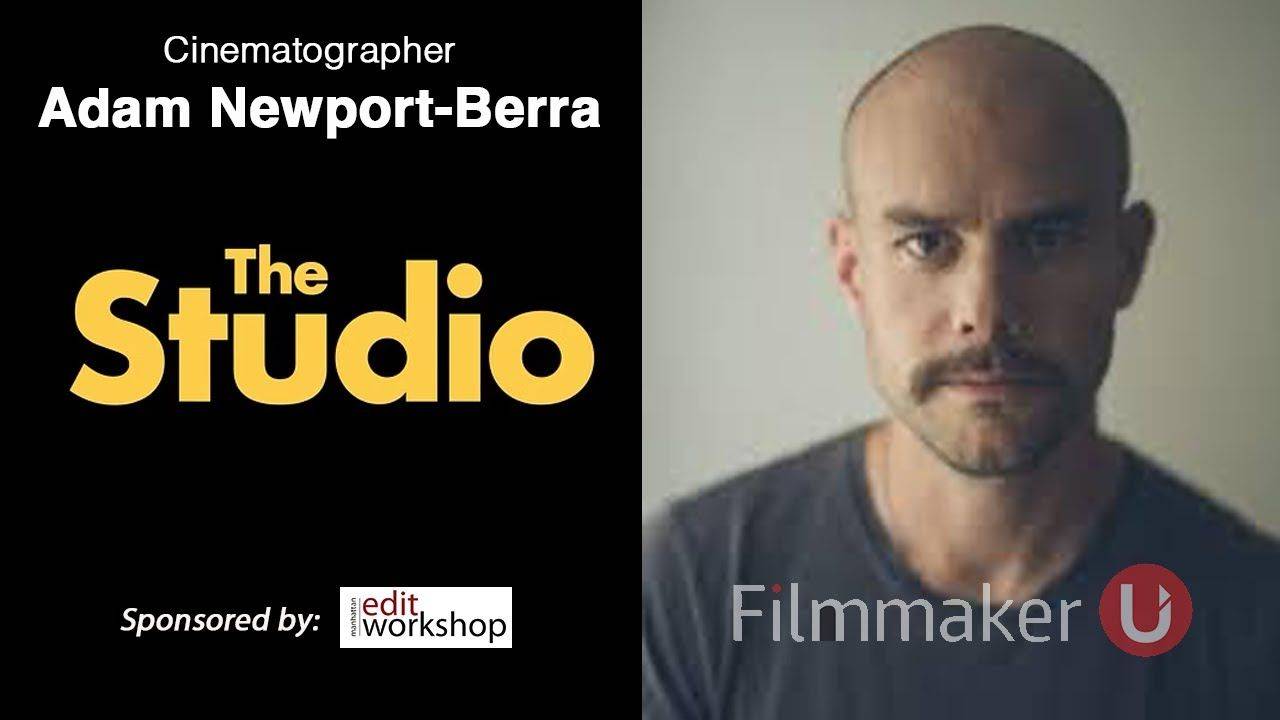
In this insightful Filmmaker U interview, Emmy‑winning cinematographer Adam Newport-Berra takes viewers behind the lens of The Studio, breaking down his visual approach, lighting philosophy, and storytelling techniques that elevate production quality and emotional engagement. The conversation reveals how thoughtful cinematography shapes audience perception and brings narrative goals to vivid life — a must‑watch for aspiring filmmakers.
“Your camera choices aren’t just technical decisions — they’re emotional decisions.”
— Adam Newport-Berra on why cinematography is narrative first, craft second.
What Does It Mean Behind the Lens?
In the interview, Adam explains that cinematography goes far beyond making things look pretty — it’s about intentional framing, lighting that reflects character and mood, and creative sequencing that tells a story visually.
He describes visual choices as a kind of emotional vocabulary: the way light falls on a face, how shadows shape a scene, and the relationship between camera movement and character psychology all work together to communicate without words.
This mindset not only affects the way scenes are shot but also how actors perform and how editors cut — creating a unified cinematic language that supports narrative impact from start to finish.
Key Visual Principles from the Interview
Light as Emotional Guide
Adam emphasizes that lighting isn’t just about visibility — it’s about mood. He talks about how the quality of light (soft vs. hard, warm vs. cool) can shape how an audience feels a moment — whether it’s intimate, tense, or contemplative.
By placing practical light sources intentionally within the set, he makes the lighting feel inherent to the world rather than artificial — helping the story breathe more naturally.
Camera Movement & Intention
Movement isn’t random. Each push‑in, track, or handheld shift is chosen to heighten emotional stakes. When a character is uncertain, the frame might hold still; when urgency rises, the camera breathes with the performance.
This disciplined approach ensures that every movement serves story and character, not mechanics.
Collaboration with Crew
Adam also highlights how much cinematography depends on collaboration:
-
Talking through story priorities with the director
-
Coordinating with production designers for texture and space
-
Working with grips and lighting technicians to shape contrast and depth
This teamwork creates a harmonized visual ecosystem — where light, lens, movement, and design all tell the same story.
What Aspiring Filmmakers Can Take Away
A few core lessons from Adam’s conversation:
-
Cinematography is visual storytelling first
-
Light is a narrative context
-
Camera movement is emotional punctuation
These lessons apply across genres, whether you’re shooting indie drama, documentary, commercial work, or studio productions. The goal is always the same: to use craft choices that let the audience feel the story.
Learn These Skills at Filmmaker U
If you were inspired by Adam’s approach — and want hands‑on guidance — Filmmaker U offers filmmaking courses that explore cinematography, lighting design, camera movement, and visual storytelling fundamentals.
From mastering lenses and lighting to integrating creative intent into every shot, Filmmaker U’s curriculum connects you with professionals and practices that elevate your craft — just like the work discussed in this interview.
Because great filmmaking starts behind the lens — and with intention.
