
How Kyle Traynor Shapes the Editing Language of HBO’s Industry Season 4
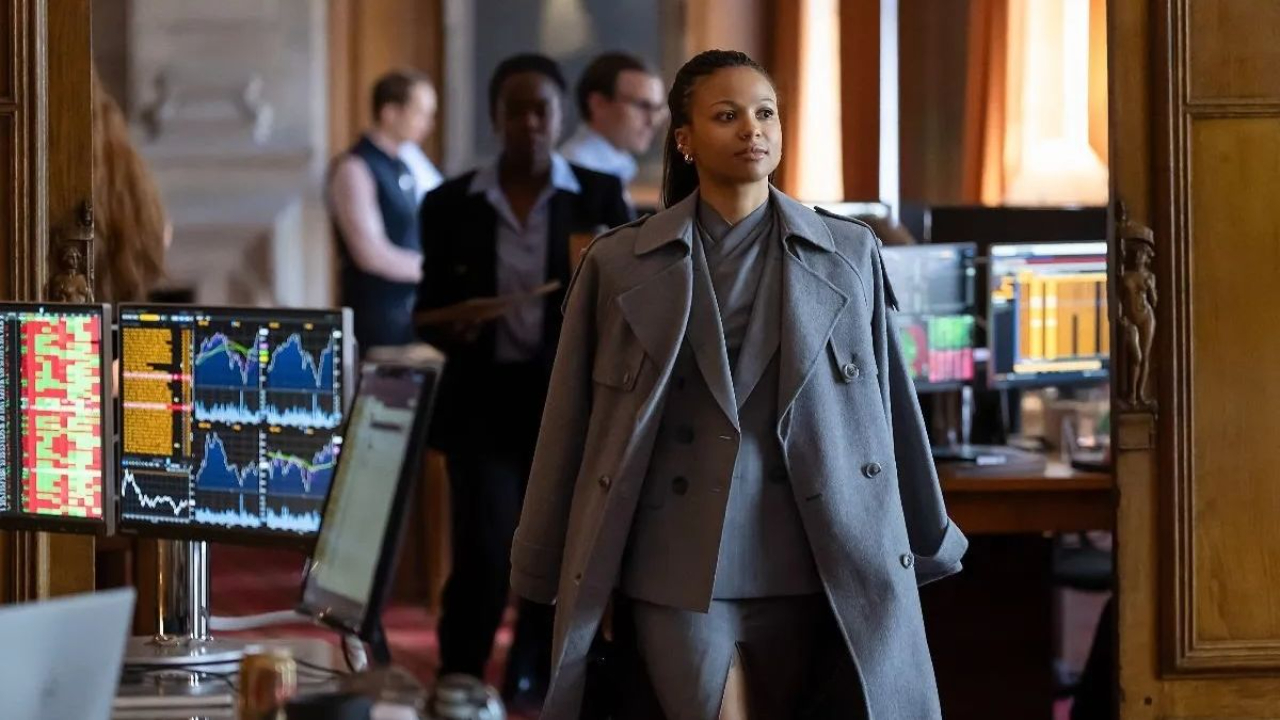
In this revealing Filmmaker U interview, editor and associate producer Kyle Traynor breaks down the evolution of HBO’s Industry in its fourth season — showing how editing choices and storytelling rhythms shift creatively when a series reinvents itself. The discussion gives invaluable lessons for aspiring editors and filmmakers on approaching narrative structure, pacing, and emotional impact through editorial decisions.
“Editing isn’t just assembling footage — it’s building emotional logic and trust with the audience.”
— Kyle Traynor on cutting for narrative impact.
Reinventing a Signature Style
Season 4 of Industry marks a significant tonal shift from the frenetic pace of previous seasons. The show moves away from the familiar financial trading floor and instead explores broader character arcs and psychological themes — and Kyle’s editing adapts to that new world.
Where earlier episodes relied heavily on whip pans and fast cuts to reflect tension and chaos, Traynor explains that Season 4 embraces longer takes and deliberate pacing — a choice rooted in serving emotional clarity over relentless motion. This transformation highlights how editorial decisions can reshape the viewer’s experience of characters and story without changing the writing or performances.
Balancing Tension and Trust
One hallmark of Traynor’s approach is trusting the audience. Instead of over‑explaining complex plot points or financial jargon, the edit leans into emotional continuity and lets story developments unfold naturally. As he puts it, the goal is to “track the emotional arc of the characters,” not every detail of the plot.
This mindset influences choices like holding shots longer during pivotal moments and resisting the urge to underline every narrative beat — techniques that allow audiences to feel rather than be told what’s happening.
Using Visual Language to Guide Feeling
Traynor also discusses how certain stylistic elements were introduced or adjusted to match the evolving tone of Season 4:
-
Long push‑ins and deliberate zooms — used strategically to emphasize psychological beats without overstating them.
-
Strategic rhythm shifts — pacing that reflects emotional states, from measured scenes of introspection to more kinetic character confrontations.
-
Anchoring without exposition — choosing moments that speak through performance and visual rhythm rather than explanation.
These editorial choices illustrate the power of cutting as a creative voice in its own right — one that communicates mood, focuses attention, and deepens engagement.
Collaboration Across Visual Storytelling
Editing doesn’t happen in isolation. Traynor’s role also ties closely to production and directorial intent, building trust among departments so that each cut serves not just the plot, but character and thematic coherence. As he’s grown into his role (including associate producer responsibilities), that collaborative perspective has become central to his editorial craft.
Filmmaker U: Elevate Your Editorial Craft
If Kyle Traynor’s discussion of pacing, emotional logic, and narrative trust inspires you, Filmmaker U offers filmmaking courses that cover editing fundamentals, narrative storytelling, and post‑production strategy — taught by industry professionals with real creative experience.
From learning how to think like an editor to mastering practical techniques and workflows, Filmmaker U’s classes help filmmakers at every level sharpen their voice and visual storytelling instincts.
Because — as this conversation shows — editing is not just technical; it’s emotional architecture.
Find out more here: https://www.filmmakeru.com/store
