
The Production Design Behind Sing Sing
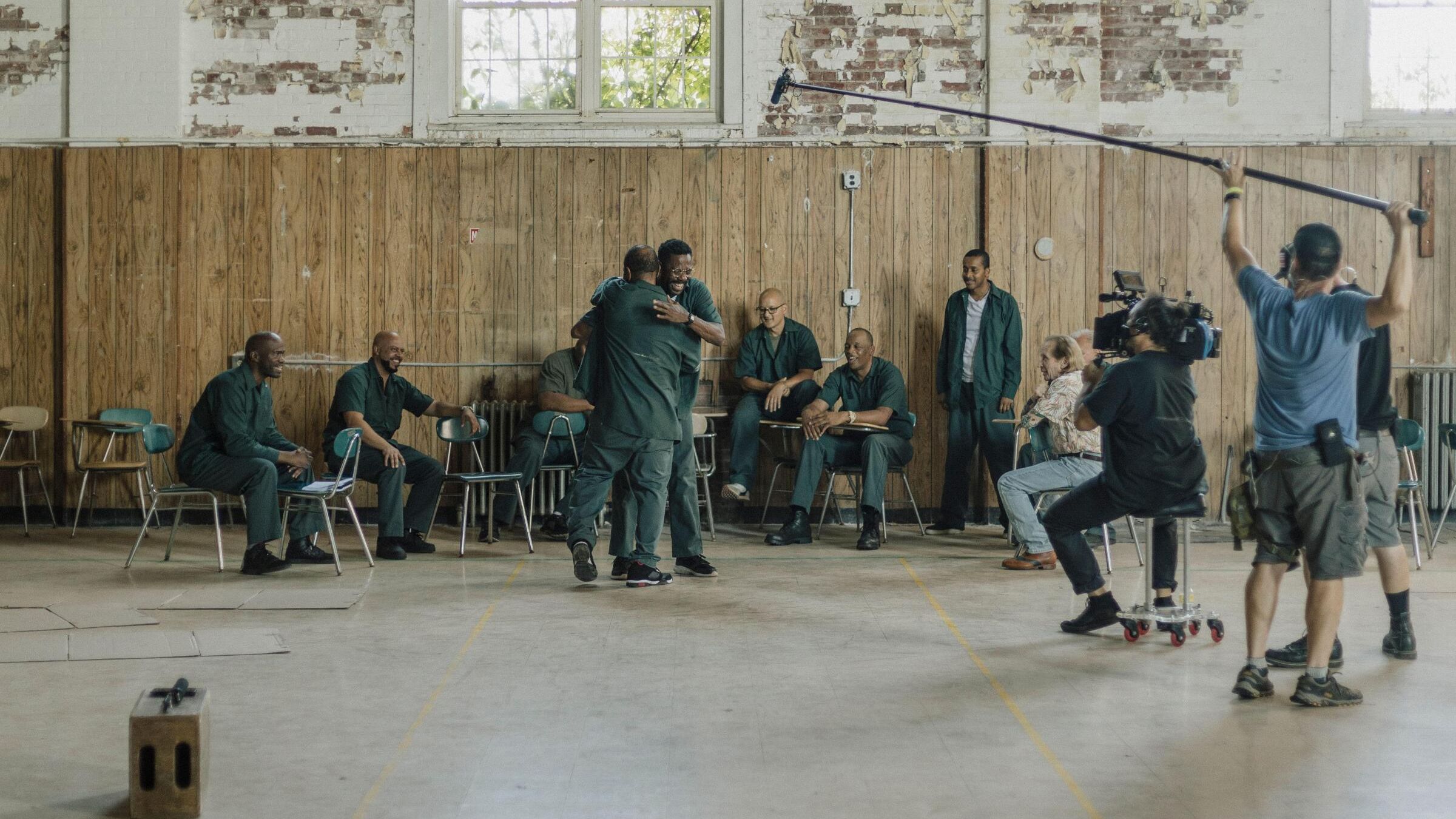
Production design is often the invisible architecture of a film — the emotional scaffolding that holds the story in place. In the Filmmaker U interview with Ruta Kiskyte, production designer behind Sing Sing, we’re reminded that every wall color, every aging surface, every carefully chosen prop carries narrative weight.
As she puts it:
“Design isn’t decoration — it’s storytelling before the camera rolls.”
That philosophy is at the heart of how Sing Sing builds its world — not as a backdrop, but as a character in its own right.
Color as Emotional Subtext
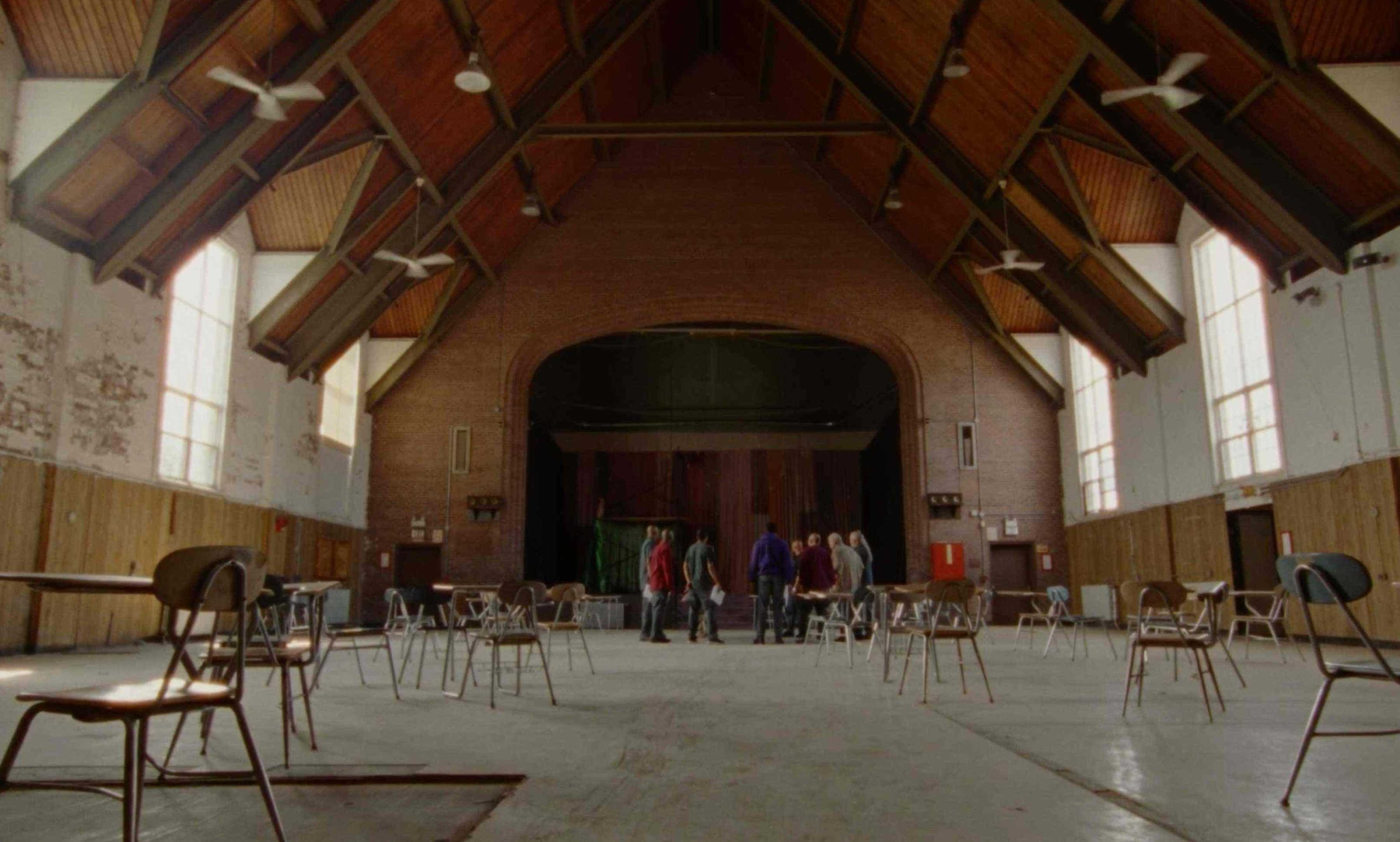
Color in Sing Sing isn’t arbitrary. Muted tones, institutional palettes, and subtle shifts in warmth and coolness reflect the emotional journey of the characters. Production design works hand-in-hand with cinematography to shape how the audience feels before a single line is spoken.
Cool grays and worn neutrals suggest confinement and restraint. Warmer highlights — even small ones — signal humanity, hope, and interior life. These choices don’t scream for attention. They whisper meaning.
In visual storytelling, color becomes psychological shorthand.
Texture: History You Can Feel
Texture is another powerful storytelling device. Surfaces in Sing Sing feel lived-in — chipped paint, scuffed floors, institutional materials softened by time. These details create authenticity, but more importantly, they create empathy.
Texture tells us:
-
How long has a space been occupied
-
Who has passed through it
-
What kind of life is lived inside it
A polished space suggests control. A worn one suggests endurance. Production design makes these statements without exposition.
Space as Character
The physical layout of a set shapes performance and blocking. Narrow corridors compress movement. Open communal areas allow connection. The geometry of a room affects how characters interact — whether they confront, avoid, or observe each other.
In Sing Sing, spatial choices reflect the tension between confinement and creative expression. The environment frames characters physically, reinforcing emotional stakes.
This is where production design transcends aesthetics — it becomes narrative structure.
Collaboration with Camera & Performance
Great production design doesn’t operate in isolation. It’s a collaboration between:
-
Director
-
Cinematographer
-
Costume designer
-
Actors
When design aligns with lens choice and lighting strategy, the world feels cohesive and intentional. The production designer builds the physical truth so that actors can inhabit it honestly — and the camera can reveal it meaningfully.
As emphasized in the interview, the goal is not to impress the audience with design, but to immerse them in a story.
Why This Matters for Filmmakers
Emerging filmmakers often focus first on gear. But production design reminds us that storytelling begins with intention, not equipment.
Ask yourself:
-
What does this space say about my character?
-
How does color shift the emotional tone of a scene?
-
What textures communicate backstory without dialogue?
These are design questions — and they are storytelling questions.
Learn the Craft at Filmmaker U
If this conversation inspires you to think more deeply about visual storytelling, Filmmaker U offers classes that cover visual design fundamentals, production planning, and cinematic storytelling from concept to set.
From set planning and world-building to collaboration with cinematographers and directors, Filmmaker U courses help filmmakers develop the visual literacy needed to shape meaningful cinematic worlds.
Because in filmmaking — as Sing Sing demonstrates — design isn’t decoration. It’s a story.
Find out more here: https://www.filmmakeru.com/store
It’s
