
How the Editors of The Secret Agent Build Suspense Through Editing
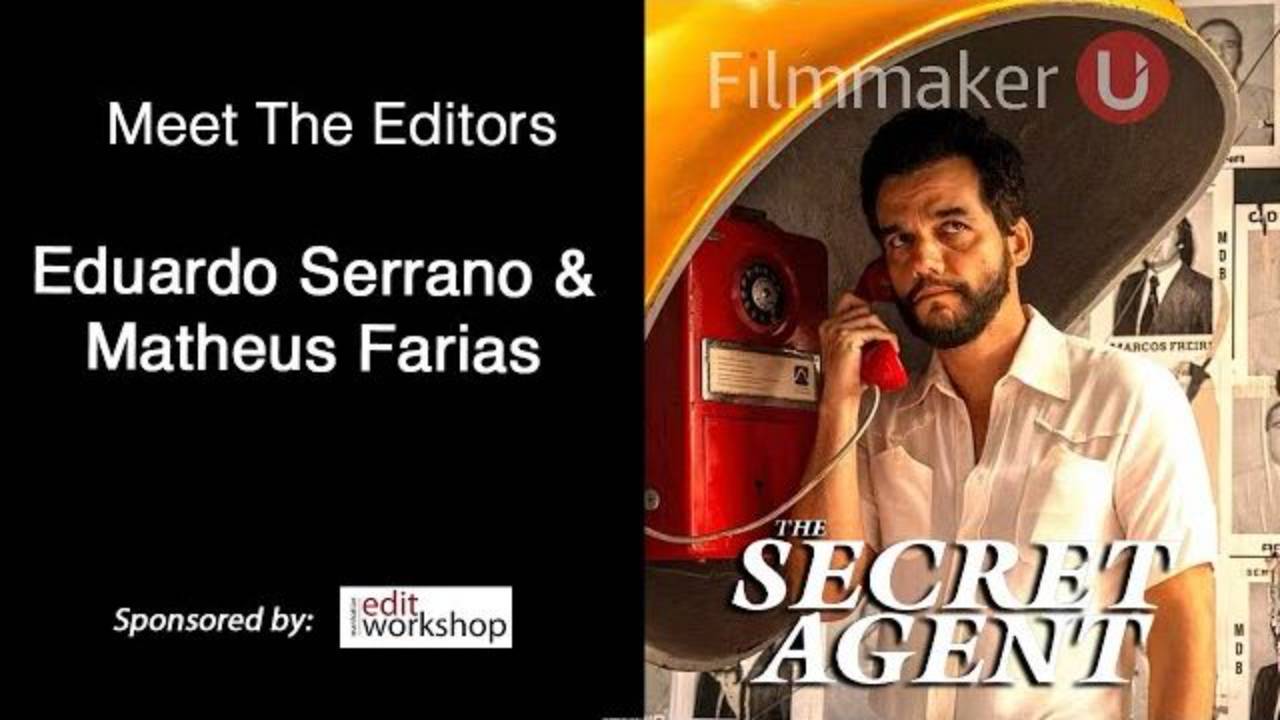
In this in‑depth Filmmaker U conversation, the editorial team of Eduardo Serrano & Matheus Saria, behind the enigmatic thriller The Secret Agent, walks us through how they construct tension, emotional pacing, and narrative clarity in a story full of mystery and intrigue. From choosing where to place a cut to how to emphasize character beats, their process offers a masterclass in editing as storycraft.
“Editing is where you give the audience permission to feel what’s happening, not just see it.”
— Editors of The Secret Agent on using rhythm to shape emotion.
The Story Is in the Cut
Good editing doesn’t just connect shots — it amplifies meaning. In a thriller like The Secret Agent, the editors must balance:
-
Pacing — slowing where audiences need to absorb nuance
-
Rhythm — quickening when tension should rise
-
Silence & Sound — letting stillness amplify unease
These choices aren’t random. They reflect an understanding that cutting is a visual punctuation — guiding where viewers’ attention lands and how they experience each turn in the narrative.
One editor describes it as “placing emotional beats where the story needs them — not where the script dictates them.” This philosophy transforms editing from technical assembly to narrative authorship.
Building Suspense Through Structure
The editors of The Secret Agent reveal that suspense thrives in controlled information flow. They talk about:
Strategic Reveal Timing
Deliver critical images and reactions just ahead of emotional payoff — rather than telegraphing them — to sustain tension.
Cutting for Emotion Over Explanation
Sometimes the most powerful reaction shot isn’t the first one you pull — it’s the second, after the audience has had a beat to process what just happened.
These editorial strategies align with the broader storytelling goal: keep the viewer engaged and curious without overwhelming them with exposition.
Collaboration: Where Vision Meets Execution
The interview highlights that editing is a deeply collaborative craft. The editorial team works closely with:
-
Directors — ensuring the cuts reflect creative intent
-
Sound designers — aligning visual rhythm with audio cues
-
Actors’ performances — selecting takes that best serve emotional truth
This collaboration ensures that the finished film feels unified — a singular narrative voice rather than a disparate assembly of parts.
What Aspiring Filmmakers Can Learn
A few key takeaways from this conversation:
-
Editing is storytelling — not just trimming footage
-
Tension lives in pacing — choose where the cut bites
-
Emotion comes first — the technical should serve the emotional
These lessons apply to any genre, but especially to films where nuance and ambiguity are part of the viewer experience.
Learn Editorial Mastery at Filmmaker U
If this interview inspires you to deepen your understanding of editing — from pacing and rhythm to emotional continuity and collaboration — Filmmaker U offers classes that explore editing fundamentals, visual storytelling, and post‑production workflow.
Filmmaker U’s courses connect you with professional editors and creatives who help you develop the skills editors use every day in major film and TV productions — from script to final cut.
Because, as these editors show us, great editing isn’t about speed — it’s about resonance.
